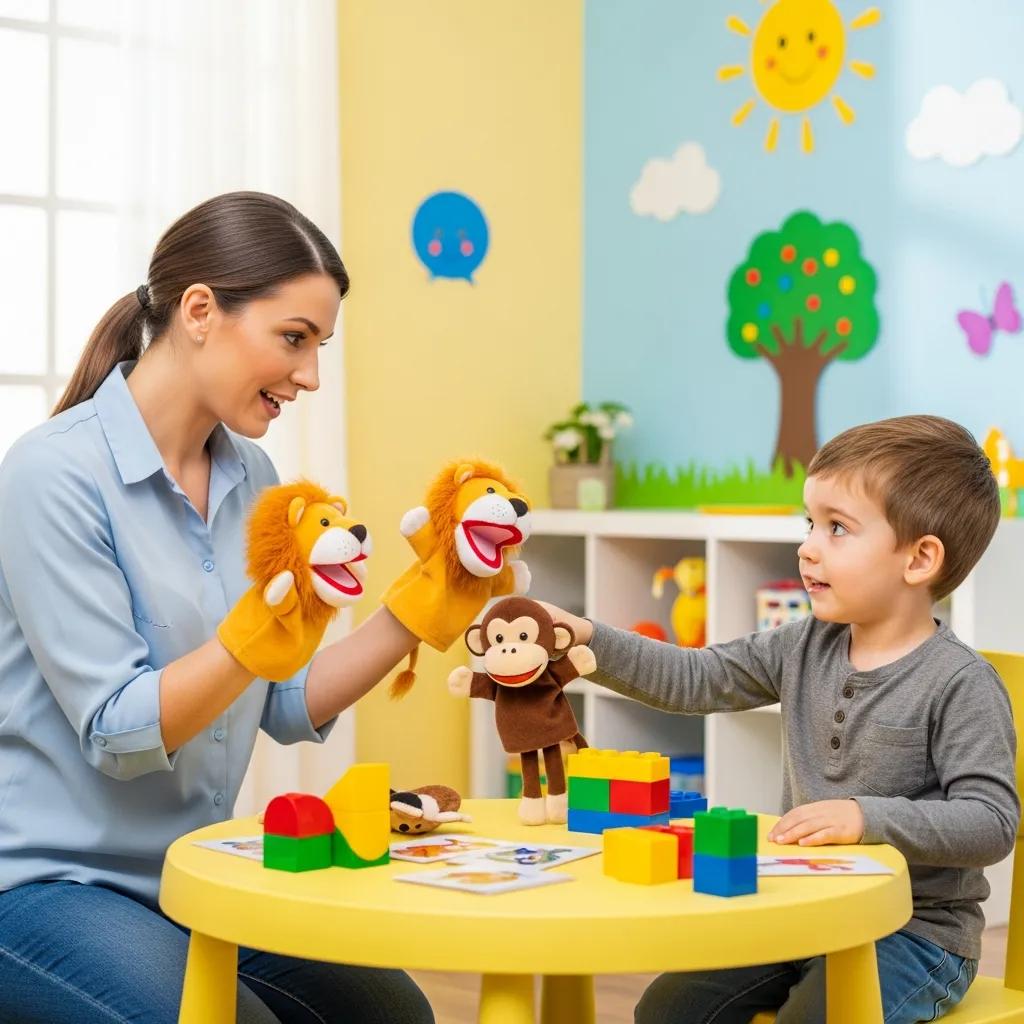
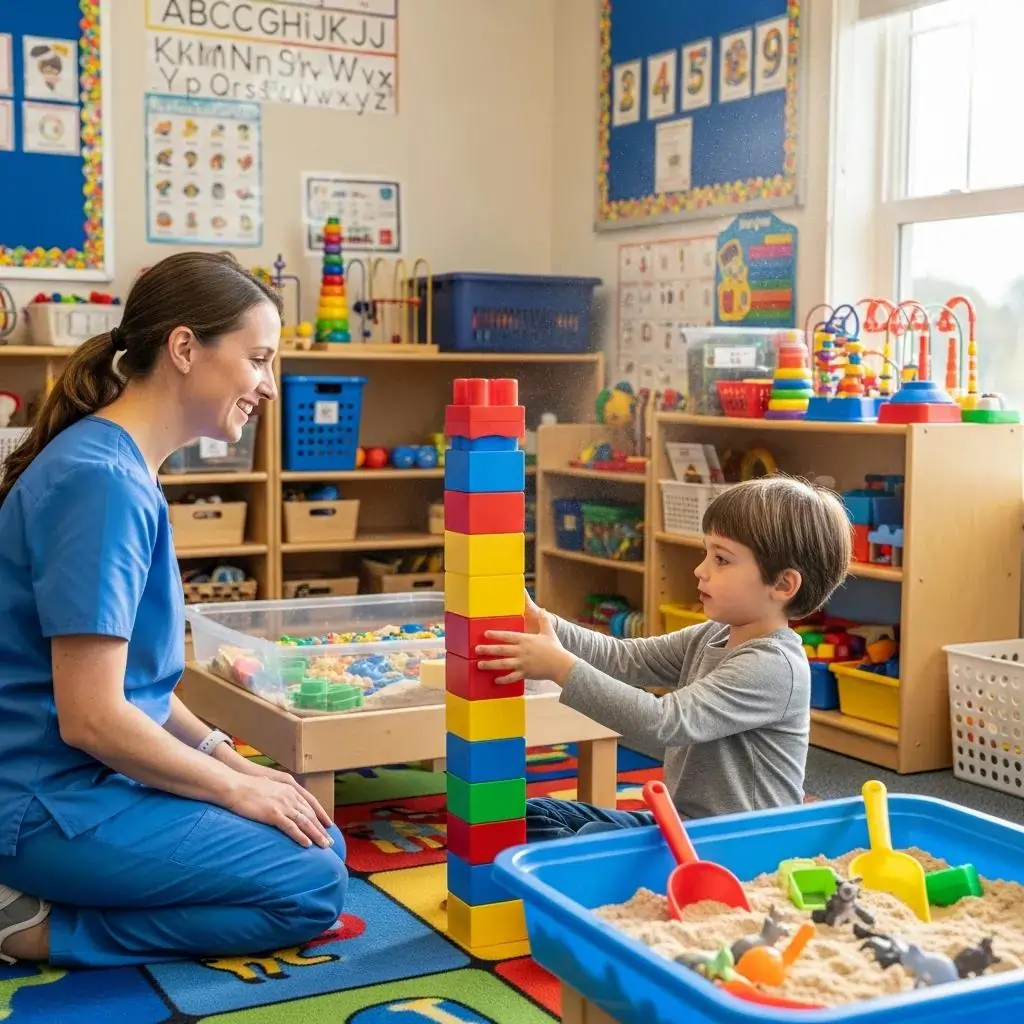
Occupational therapy (OT) focuses on enhancing a child’s ability to perform daily activities through improved motor and sensory skills. This type of therapy is essential for preschoolers as it helps them develop the skills necessary for independence and participation in school and play.
Which Activities Promote Fine and Gross Motor Development in Preschoolers?
- Fine Motor Activities: Activities such as drawing, cutting with scissors, and playing with building blocks enhance hand-eye coordination and dexterity.
- Gross Motor Activities: Engaging in running, jumping, and climbing helps develop larger muscle groups and coordination.
These activities not only support physical development but also contribute to cognitive and social skills as children learn to interact with their peers.
How Does Sensory Integration Therapy Benefit Preschool Children?
- Improving Sensory Processing: Helping children better understand and react to sensory stimuli.
- Enhancing Focus and Attention: Supporting children in maintaining attention during activities.
- Promoting Emotional Regulation: Assisting children in managing their responses to sensory overload.
By addressing sensory processing issues, children can engage more fully in their environments, leading to improved learning and social interactions.
Studies further emphasise the critical role of sensory processing in a child’s self-regulation abilities, particularly for those with developmental differences.
Sensory Processing and Self-Regulation in Preschoolers with ASD
Background:Children with ASD often encounter difficulties in processing different sensory stimuli, which affect their self-regulation ability to participate in activities of daily living. Objective: To explore the influence of sensory processing factors on the self-regulation abilities of preschool children with ASD.
Analysis of factors affecting self-regulation of preschool children with ASD based on sensory processing and self-regulation scale, 2021
What Behavioural Strategies Help Manage Challenging Behaviours in Preschoolers?
Managing challenging behaviors in preschoolers requires effective behavioral strategies that promote positive behavior and emotional regulation. These strategies are essential for creating a supportive learning environment.
How Can Emotional Regulation Techniques Support Positive Behaviour?
Emotional regulation techniques help preschoolers understand and manage their emotions, leading to more positive behavior. Techniques include:
- Modeling Calm Responses: Parents and caregivers can demonstrate how to handle frustration calmly.
- Teaching Coping Strategies: Providing children with tools to express their feelings appropriately, such as using words or drawing.
These techniques empower children to navigate their emotions, reducing instances of challenging behavior.
What Role Does Positive Reinforcement Play in Behaviour Management?
Positive reinforcement is a powerful tool in behavior management. By rewarding desired behaviors, caregivers can encourage children to repeat those behaviors. Examples of positive reinforcement include:
- Verbal Praise: Acknowledging good behavior with encouraging words.
- Reward Systems: Implementing a sticker chart to track and reward positive actions.
- Special Privileges: Allowing extra playtime for consistent positive behavior.
This approach fosters a positive environment where children feel motivated to engage in appropriate behaviors.
How Does Play-Based Learning Unlock Cognitive and Social Skills in Preschoolers?
Play-based learning is an effective educational approach that utilises play as a medium for learning. This method is particularly beneficial for preschoolers, as it promotes cognitive and social skills development in a natural and engaging way.
What Are Effective Play-Based Activities for Early Childhood Development?
- Role-Playing Games: Encouraging children to take on different roles fosters creativity and social skills.
- Building Projects: Activities involving blocks or construction sets enhance problem-solving and fine motor skills.
- Art and Craft Projects: Engaging in creative activities promotes self-expression and cognitive development.
These activities not only support learning but also enhance children’s ability to interact with their peers.
How Does Play Support Social Interaction and Emotional Well-being?
Play is essential for social interaction and emotional well-being. Through play, children learn to share, cooperate, and resolve conflicts. This social engagement is crucial for developing empathy and emotional intelligence. Additionally, play provides a safe space for children to express their feelings, contributing to their overall emotional health.
How Can Parents Implement Early Intervention Strategies at Home?
Parents play a vital role in implementing early intervention strategies at home. By creating a supportive environment, they can significantly enhance their child’s development.
What Home-Based Activities Support Speech and Motor Skill Development?
- Reading Together: Engaging in daily reading sessions promotes language skills and bonding.
- Interactive Play: Playing games that require movement helps develop motor skills.
- Creative Arts: Encouraging drawing and crafting enhances fine motor skills and creativity.
These activities can be easily integrated into daily routines, making them accessible for parents.
When Is It Important to Consult Professionals for Preschool Intervention?
Consulting professionals for preschool intervention is crucial when parents notice persistent developmental concerns. Signs that warrant professional consultation include:
- Lack of Progress: If a child is not meeting developmental milestones.
- Significant Delays: Observing delays in speech, motor skills, or social interactions.
- Behavioral Concerns: Persistent challenging behaviors that disrupt learning.
Early consultation with professionals can provide valuable insights and tailored intervention strategies to support a child’s development.
However, connecting families with these crucial early intervention services often presents challenges that require improved referral processes.
Improving Early Intervention Access for Children with Developmental Delays
Findings from the present study illustrate the extent of challenges in connecting families with needed EI services and indicate an opportunity for improvement in EI referral processes to increase enrollment for eligible children. Improved communication between referral sources and service providers could support enrollment with detailed documentation of prior testing and explicit reasons for referral. Follow-up calls to confirm receipt of referral may also be necessary.
Early intervention referral outcomes for children at increased risk of experiencing developmental delays, JK Dolata, 2020
Service | Description | Benefits |
Early Childhood Intervention | A range of services for children at risk of developmental delays or disabilities | Improved cognitive, social, and emotional outcomes |
Speech Therapy | Specialised therapy to enhance communication skills | Better language acquisition and social interaction |
Occupational Therapy | Therapy focused on improving motor and sensory skills | Enhanced independence and participation in daily activities |
This table highlights the various services available to support preschoolers, emphasising the benefits of early intervention.
Early intervention strategies are essential for unlocking the potential of preschoolers. By understanding the importance of early childhood intervention, parents can take proactive steps to support their child’s development. Through speech therapy, occupational therapy, and play-based learning, children can achieve their developmental milestones and thrive in their early years. Ascend Youth offers specialised services in early childhood intervention, providing tailored support to empower young lives. By integrating these strategies at home and seeking professional guidance when needed, parents can create a nurturing environment that fosters growth and development.