Our Blog

February 23, 2026

Unlocking Creativity: How Youth Art Classes Inspire Self-Expression and Personal Growth

Youth Art Classes

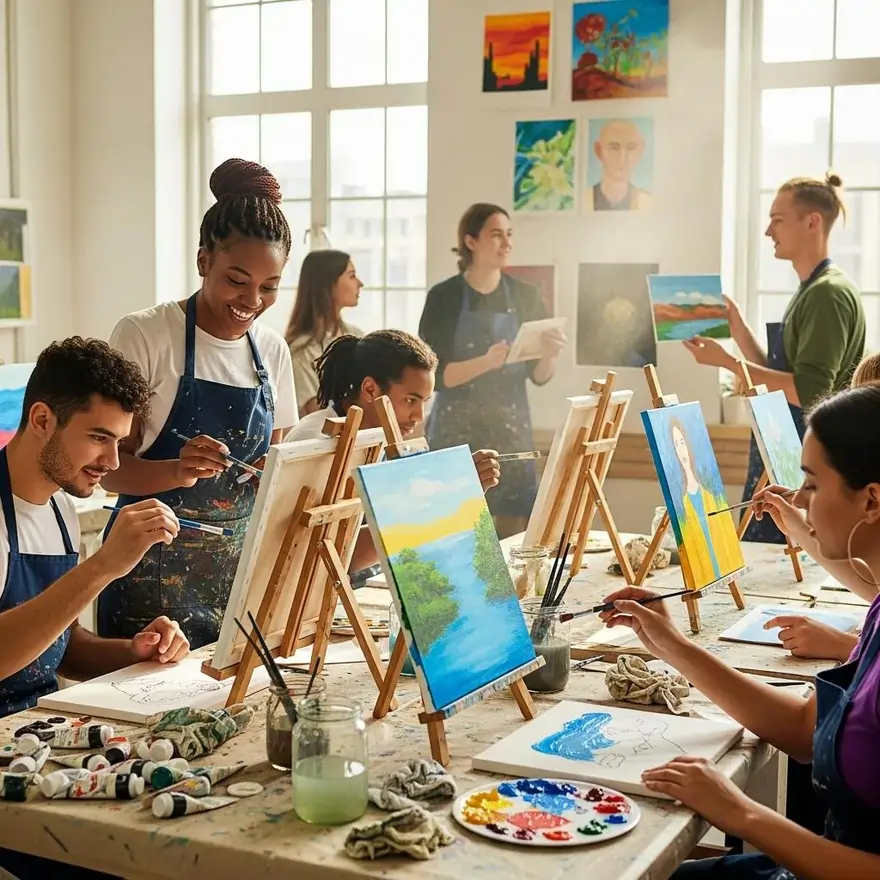
Creativity is a vital aspect of youth development, serving as a powerful tool for self-expression and personal growth. Engaging in art classes allows young individuals to explore their emotions, develop new skills, and build confidence. This article delves into how youth art classes can unlock creativity, enhance emotional well-being, and foster self-expression. Many young people struggle to articulate their feelings and thoughts, often leading to frustration and isolation. Art classes provide a supportive environment where they can express themselves freely, explore various mediums, and connect with peers. We will explore the benefits of youth art classes, the different mediums that encourage self-expression, and how organisations like Ascend Youth support youth development through their art programs.

Indeed, research highlights how art can create supportive environments that empower students and foster emotional wellness, especially for those facing adversity.

Art Activities for Student Self-Expression & Emotional Wellness

Research suggests that students living in rural areas may be more likely to face adversity and stress due to intersecting challenges present in their communities including poverty, substance abuse, addiction, poor health, reduced economic opportunity, and geographic isolation. I conducted an engaged scholarship project in partnership with students and staff at JES to explore ways that open-ended art activities that provide students with self-directed creative spaces can cultivate a student-centered environment built around strong relationships. This type of environment can mitigate the negative impacts of adverse childhood experiences potentially affecting rural Maine students and improve a culture of emotional wellness and a focus on student empowerment in school contexts.

        Creating dynamic spaces: Exploring student-empowered self-expression through art, 2020

What Are the Benefits of Youth Art Classes for Creativity and Self-Expression?

Youth art classes offer numerous benefits that significantly enhance creativity and self-expression. These classes not only provide a platform for artistic exploration but also contribute to emotional and cognitive development.

  • Emotional Well-Being: Art serves as a therapeutic outlet, allowing youth to express their feelings and cope with challenges. Engaging in creative activities can lead to improved self-esteem and emotional resilience.
  • Cognitive Development: Participation in art programs enhances cognitive skills, including problem-solving and critical thinking. These skills are essential for academic success and personal growth.
  • Social Skills Enhancement: Art classes foster collaboration and communication among peers, helping youth build friendships and develop social skills.

How Do Art Classes Enhance Emotional Well-Being and Confidence in Youth?

Art classes provide a safe space for youth to express their emotions Counselling & Psychology, which can significantly enhance their emotional well-being. By engaging in creative activities, young individuals can explore their feelings and develop coping mechanisms. This process often leads to increased self-esteem as they see their artistic skills improve and receive positive feedback from peers and instructors. For many, art becomes a vital tool for self-discovery and personal expression, allowing them to articulate thoughts and feelings that may be difficult to express verbally.

Further studies corroborate these findings, emphasising the positive impact of creative art activities on youth’s psychosocial well-being and their ability to navigate challenging circumstances.

Creative Art Activities Boost Youth Psychosocial Wellbeing

Engagement in creative art activities has shown to enhance youth’s psychosocial wellbeing and increase their participation in contexts of adversity.

        Journey to hope, self-expression and community engagement:

Youth-led arts-based participatory action research, N Saied, 2020

In What Ways Do Art Programs Develop Cognitive and Fine Motor Skills?

Art programs are instrumental in developing both cognitive and fine motor skills in youth. Through various artistic activities, participants engage in critical thinking and problem-solving, which are essential cognitive skills. For instance, when creating a piece of art, youth must make decisions about composition, color, and technique, which stimulates their creative thinking. Additionally, working with different art mediums, such as painting or sculpting, enhances fine motor skills as they learn to manipulate tools and materials with precision.

Which Art Mediums and Techniques Foster Self-Expression in Children and Teens?

Art Mediums and Techniques Foster

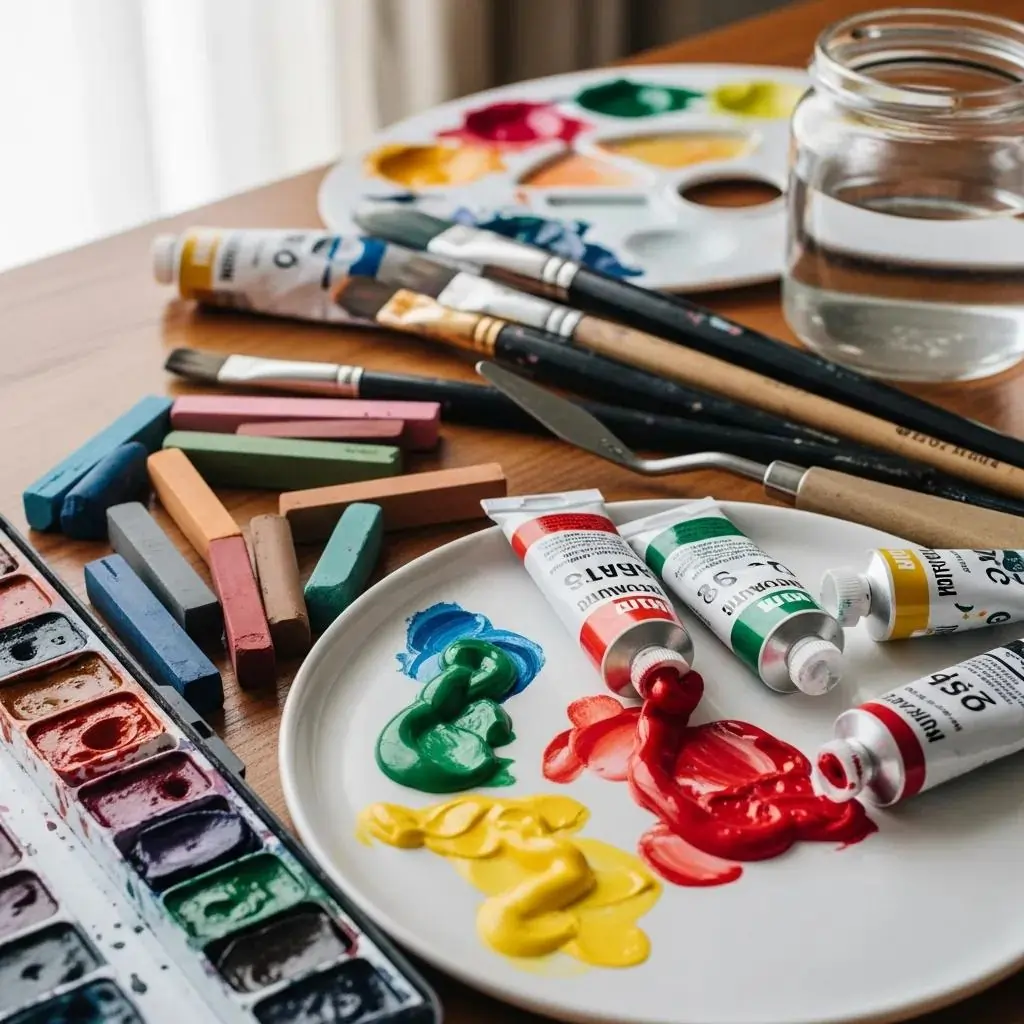
Different art mediums and techniques can significantly influence how children and teens express themselves creatively. Each medium offers unique properties that can inspire artistic exploration and self-discovery.

  • Watercolours: This medium allows for fluidity and spontaneity, encouraging experimentation with color blending and layering. It can evoke emotions through its soft, flowing nature.
  • Pastels: The vibrant colors and tactile quality of pastels enable youth to create bold, expressive artworks. This medium is particularly effective for those who enjoy working with their hands.
  • Acrylics: Acrylic paints dry quickly and can be used in various techniques, from thick impasto to thin washes. This versatility allows young artists to explore different styles and approaches.

How Do Watercolours, Pastels, Pencils, and Acrylics Support Creative Exploration?

Each medium offers distinct advantages that support creative exploration. Watercolours encourage experimentation with transparency and layering, while pastels provide a tactile experience that can lead to vibrant, expressive works. Pencils allow for detailed drawing and sketching, fostering precision and control. Acrylics, with their quick-drying properties, enable artists to work rapidly and layer colors effectively. By providing access to a variety of mediums, art classes empower youth to discover their preferences and develop their unique artistic voices.

What Age-Appropriate Activities Encourage Artistic Growth and Imagination?

Art activities should be tailored to the developmental stages early childhood intervention services of children and teens to maximise engagement and growth. Age-appropriate activities can include:

  • For Younger Children: Simple projects like finger painting or collage-making encourage free expression and creativity without the pressure of perfection.
  • For Tweens: More structured activities, such as guided drawing or painting sessions, can help refine skills while still allowing for personal expression.
  • For Teens: Advanced techniques, such as mixed media or digital art, can challenge older youth to push their creative boundaries and explore new forms of expression.

How Does Ascend Youth’s Art Classes Program Support Youth Development in Revesby?

Ascend Youth offers a community-based art classes program designed to support youth development in Revesby. Their approach focuses on creating a nurturing environment where young individuals can thrive creatively and personally.

  • Experienced Instructors: Ascend Youth employs instructors who utilise engaging teaching methods to foster creativity.
  • Supportive Environment: The organisation emphasises a supportive atmosphere that encourages risk-taking and exploration, essential for artistic growth.
  • Community Involvement: By involving the community in art projects, Ascend Youth helps students connect with others and develop a sense of belonging.

What Is Unique About Ascend Youth’s Approach to Art Education and Mentoring?

Ascend Youth’s approach to art education is holistic, focusing not only on artistic skills but also on personal development. Their instructors provide mentorship that supports students beyond the classroom. This mentorship helps youth navigate challenges and build resilience, making art a powerful tool for personal growth.

How Can Families and Support Workers Enrol Youth in These Art Programs?

Enrolling youth in Ascend Youth’s art programs is a straightforward process of youth tutoring services. Families and support workers can follow these steps:

  • Visit the Ascend Youth Website: Information about available programs and schedules can be found online.
  • Contact the Organisation: Families can reach out via email or phone to inquire about specific classes and availability.
  • Complete the Registration: Once a suitable program is identified, families can complete the registration process to secure a spot for the youth.

How Can Art Classes Help Youth Manage Emotions and Build Resilience?

Art classes play a crucial role in helping youth manage their emotions and build resilience. Engaging in creative activities allows young individuals to process their feelings and develop coping strategies.

  • Art as a Coping Mechanism: Creating art can serve as a therapeutic outlet, helping youth express emotions that may be difficult to verbalise.
  • Building Resilience Through Creativity: The process of creating art teaches youth to embrace mistakes and learn from them, fostering resilience and adaptability.
  • Emotional Regulation Techniques: Art classes often incorporate mindfulness practices, helping students learn to regulate their emotions through creative expression.

What Role Does Art Play in Emotional Regulation and Mental Health for Teens?

Art plays a significant role in emotional regulation and mental health for teens. Engaging in creative activities can reduce anxiety and depression by providing a constructive outlet for emotions. Research indicates that art therapy can lead to improved mental health outcomes, making art classes a valuable resource for youth struggling with emotional challenges.

Specifically, interventions in art and dance schools have demonstrated tangible improvements in adolescent mental health, including a reduction in depressive symptoms.

Art & Dance Schools: Promoting Adolescent Mental Health

This project aimed to promote mental health and well-being as well as prevent maladaptive and risky behaviors – namely suicidal behavior – among adolescents who attend art and dance schools. Concerning depressive symptoms, 34.8% of adolescents had moderate/severe depressive symptoms, which decreased by 10% after the intervention. This intervention proved to be an effective approach for promoting mental health and well-being as well as preventing suicidal behaviors.

        “Performing Emotions and Suffering.”

Recovery of Depressive Symptoms Involving Adolescent Intervention in Art and Dance Schools, JC Santos, 2022

How Do Creative Activities Promote Confidence and Social Skills?

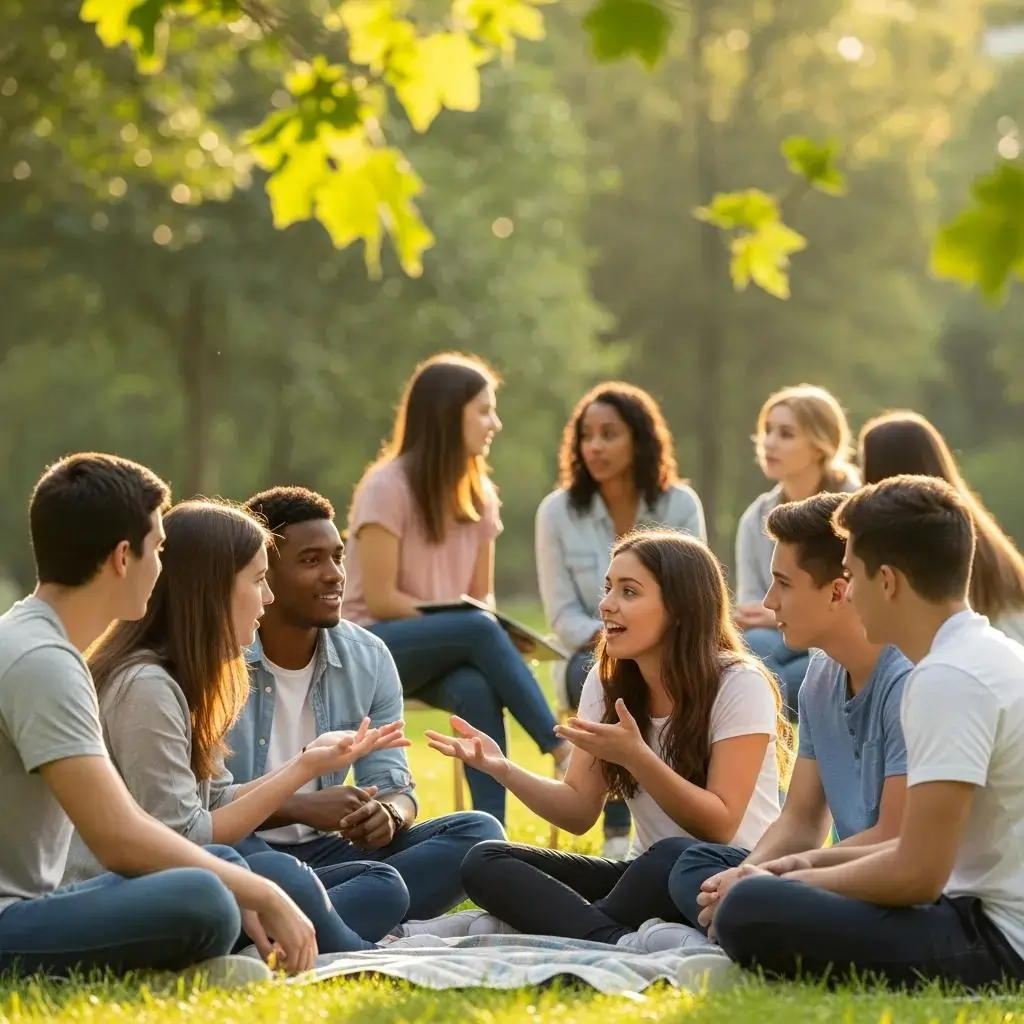
Creative activities in art classes promote confidence and social skills by encouraging collaboration and communication among peers. Group projects foster teamwork, allowing youth to build friendships and develop essential social skills. As they share their work and receive feedback, students gain confidence in their abilities and learn to appreciate diverse perspectives.

What Should Parents and Caregivers Know About Nurturing Creativity at Home?

Creativity at Home

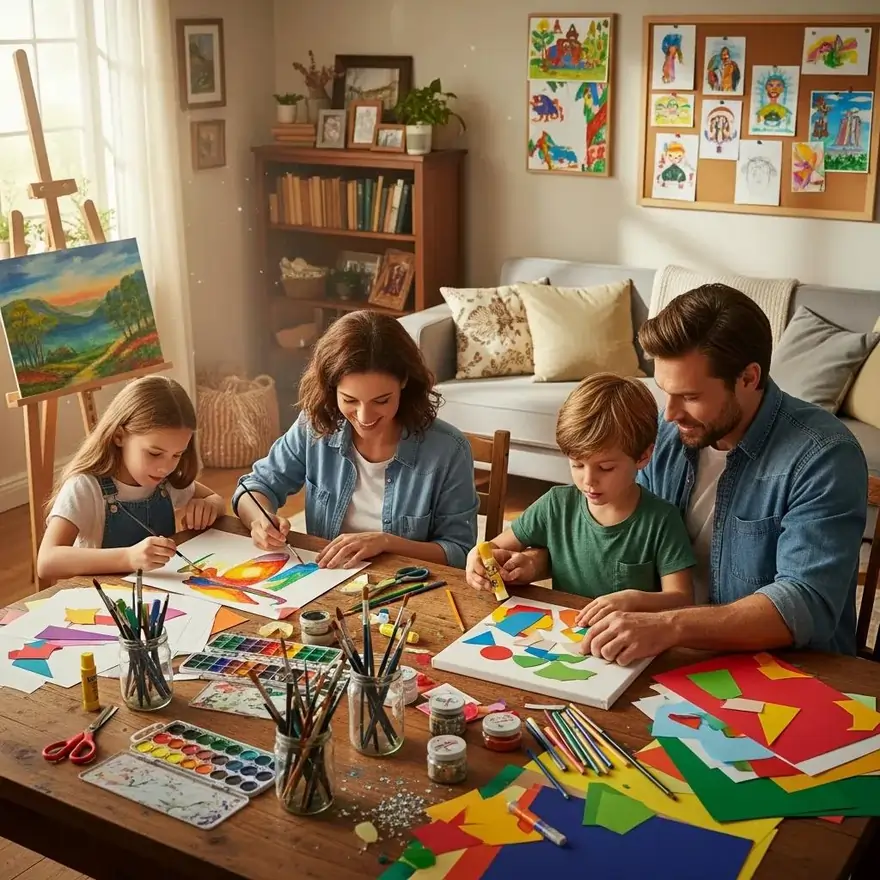
Parents and caregivers play a vital role in nurturing creativity at home Foster Care Support in Revesby. By providing support and resources, they can help youth continue their artistic journey outside of formal classes.

  • Encouraging Home Art Activities: Families can set up creative spaces at home where youth can freely explore their artistic interests.
  • Resources for Parents: Providing access to art supplies and online tutorials can inspire youth to experiment with different techniques and mediums.
  • Creating a Supportive Environment: Encouraging open discussions about art and creativity can help youth feel valued and supported in their artistic endeavors.

How Can Families Encourage Self-Expression Through Art Beyond Classes?

Families can encourage self-expression through art by integrating creative activities into daily life. Simple practices, such as family art nights or collaborative projects, can foster a love for creativity and provide opportunities for youth to express themselves. Additionally, allowing youth to choose their projects and mediums can empower them to explore their interests and develop their unique artistic styles.

What Resources and Support Does Ascend Youth Offer for Home Creativity?

Ascend Youth provides various resources to support home creativity, including:

  • Online Workshops: Families can access virtual workshops that offer guidance on different art techniques and projects.
  • Community Events: Ascend Youth organises community art events that encourage families to participate and engage with the local art scene.
  • Resource Guides: The organisation offers resource guides that provide tips and ideas for fostering creativity at home.

Art Medium

Benefits

Age Group

Recommended Activities

Watercolours

Encourages fluidity and experimentation

All ages

Painting landscapes or abstract art

Pastels

Vibrant colors and tactile experience

Younger children

Creating colorful drawings or mixed media

Acrylics

Versatile and quick-drying

Teens

Exploring different styles and techniques

In conclusion, youth art classes are instrumental in unlocking creativity and fostering self-expression. By providing a supportive environment and access to diverse art mediums, organisations like Ascend Youth empower young individuals to explore their artistic potential and develop essential life skills. Through art, youth can navigate their emotions, build resilience, and connect with others, ultimately leading to personal growth and enhanced well-being.

Ready to support your child’s learning journey?
Contact us today to book a free consultation or learn more about how we can help.