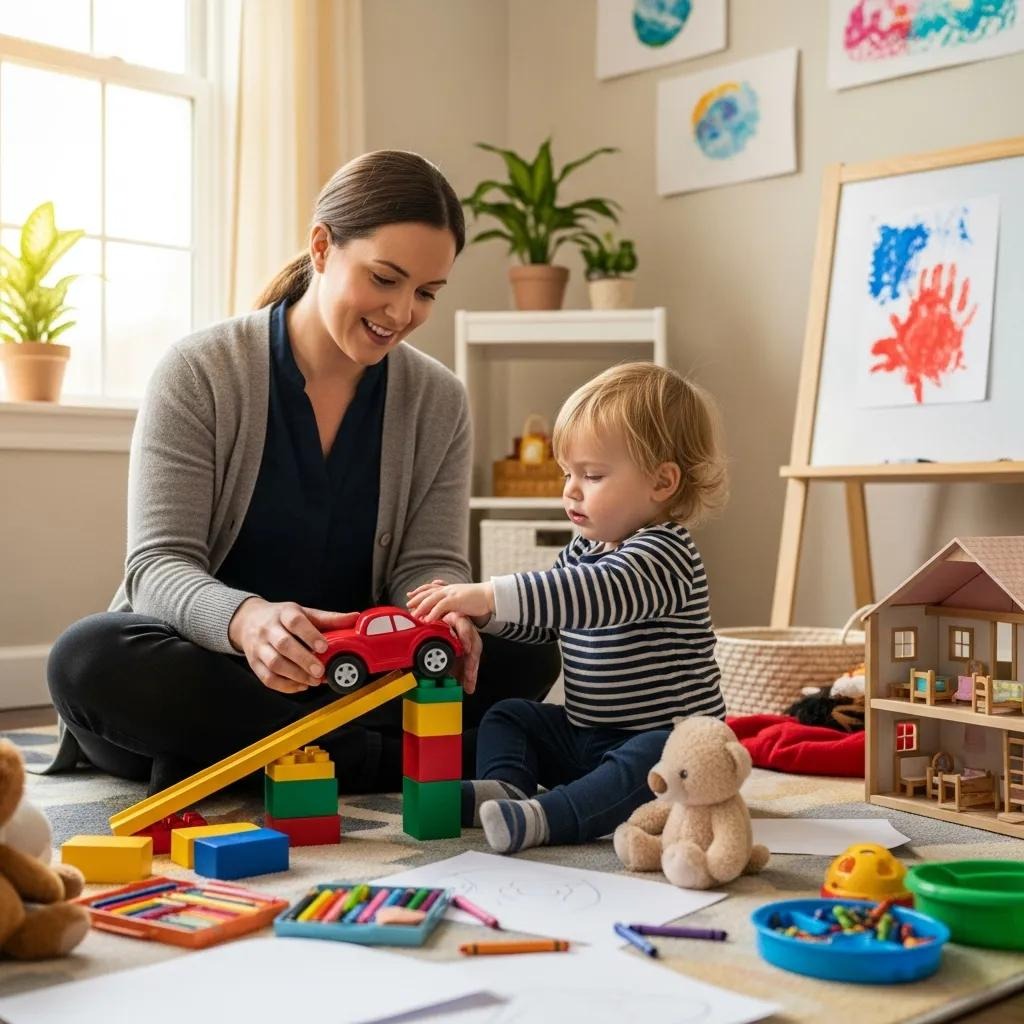
In the UK, several types of early childhood therapy are available to support children’s development. These include play therapy, speech and language therapy, occupational therapy, and behavioural therapy. Each type addresses specific needs and can be tailored to suit individual children.
What Is Play Therapy and How Does It Support Toddlers?
Play therapy is a therapeutic approach that uses play as a medium for children to express their feelings and experiences. It supports toddlers by providing a safe space to explore their emotions and develop coping mechanisms. Through guided play, therapists can help children process their experiences, leading to improved emotional and social development. Activities such as storytelling and role-playing are commonly used to facilitate this process.
Research further supports the profound impact of play therapy on a child’s social and emotional growth.
Benefits of Play Therapy for Preschool Social-Emotional Development
Childhood is an important and critical period in human life. The foundation of ego is shaped in childhood. Play therapy is one of the successful strategies to help children with inner conflicts problems. This method of psychotherapy is based on the normal learning processes of children, provides solutions to relieve feelings of stress, and expands self-expression. Group play therapy can enhance the self-awareness, self- regulation, social communication, empathy and adoptability in children.
The effect of group play therapy on social-emotional skills in pre-school children, 2013
How Does Speech Therapy Aid Early Years Development?
Speech and language therapy plays a vital role in early years development by addressing communication challenges. It focuses on improving speech clarity, language comprehension, and social communication skills. Techniques such as interactive games and storytelling are employed to engage children and make learning enjoyable. As children progress through speech and language therapy, they often experience increased confidence in their communication abilities, which positively impacts their social interactions and academic success.
How Can Parents Identify If Their Child Needs Early Childhood Therapy?
Identifying whether a child may benefit from early childhood therapy can be challenging for parents. However, certain signs can indicate the need for professional support. These may include developmental delays, behavioural issues, or difficulties in social interactions.
What Are Common Signs That Indicate a Child May Benefit from Therapy?
Common signs that suggest a child may benefit from therapy include:
- Delayed Speech Development: If a child is not meeting typical speech milestones, it may indicate a need for intervention.
- Emotional Outbursts: Frequent tantrums or difficulty managing emotions can signal underlying issues that therapy can address.
- Social Withdrawal: A child who struggles to engage with peers or shows reluctance to participate in group activities may benefit from therapeutic support.
When Should Families Seek Professional Help for Developmental Concerns?
Families should consider seeking professional help when they notice persistent signs of developmental concerns. Early intervention is crucial, as addressing issues promptly can lead to better outcomes. If a child exhibits significant delays or behavioural challenges that impact their daily life, consulting a child psychologist, speech and language therapist, occupational therapist, or behavioural therapist can provide valuable insights and support.
How Do You Choose and Access Qualified Child Psychologists and Therapy Services?
Choosing the right therapist for your child is essential for effective intervention. Parents should consider factors such as qualifications, experience, and therapeutic approaches when selecting a professional.
What Should You Expect During Early Childhood Therapy Sessions?
During early childhood therapy sessions, parents can expect a structured yet flexible environment tailored to their child’s needs. Sessions typically involve a combination of play, discussion, and therapeutic activities designed to engage the child. The therapist will work collaboratively with the child to set goals and track progress, ensuring that the therapy is effective and responsive to the child’s development.
How to Find and Book Paediatric Therapy Services Near You?
Finding and booking paediatric therapy services can be straightforward with the right approach. Parents can start by researching local therapists and clinics that specialise in early childhood therapy. Online directories and community resources can provide valuable information. Once potential therapists are identified, parents should reach out to inquire about their services, availability, and approach to therapy. Booking an initial consultation can help determine if the therapist is a good fit for the child’s needs.
What Are the Different Types of Early Intervention Therapy for Children?
Early intervention therapy encompasses various approaches designed to support children’s development. These therapies can address a range of issues, from speech and language delays to behavioural challenges.
How Does Behavioural Therapy Support Child Development?
Behavioural therapy supports child development by focusing on modifying specific behaviours through reinforcement techniques. This approach helps children learn appropriate behaviours and develop essential social skills. For instance, positive reinforcement can encourage desired behaviours, while structured interventions can address challenging behaviours. As children progress through behavioural therapy, they often demonstrate improved self-regulation and social interactions.
What Role Does Occupational Therapy Play in Paediatric Care?
Occupational therapy plays a crucial role in paediatric care by helping children develop the skills necessary for daily living and academic success. It focuses on enhancing fine motor skills, sensory processing, and self-care abilities. Through engaging activities, occupational therapists work with children to improve their independence and confidence. This therapy is particularly beneficial for children with developmental delays or disabilities, as it provides tailored support to meet their unique needs.
Further research underscores the specific benefits of occupational therapy in enhancing children’s physical abilities.
Occupational Therapy’s Impact on Children’s Fine Motor Skills
Cerebral palsy (CP) often impairs fine motor skills, limiting children’s ability to perform daily tasks and participate in age-appropriate activities. Occupational therapy (OT) is widely used to address these challenges, yet evidence on its targeted effectiveness for fine motor improvement remains essential. This study aimed to evaluate the effect of structured occupational therapy interventions on improving fine motor skills in children with CP.
The Effect of Occupational Therapy on Improving Fine Motor Skills in Children with Cerebral Palsy, 2025
How Can Parents Support Their Child During Early Childhood Therapy?
Parents play a vital role in supporting their child’s therapy journey. By being actively involved, they can reinforce therapeutic techniques and create a supportive environment at home.
Indeed, studies consistently highlight the critical role of parental engagement in the success of child mental health interventions.
Parental Involvement in Child Mental Health Treatment Outcomes
Engagement in child and family mental health treatment has critically important clinical, implementation, and policy implications for efforts to improve the quality and effectiveness of care. This article describes a review of the existing literature on one understudied element of engagement, parent participation. Evidence of links between parent participation engagement and outcome improvements was found across some outcome domains, and strategies designed to target parent participation engagement were found to be effective overall.
A review of parent participation engagement in child and family mental health treatment, R Haine-Schlagel, 2015
What Resources Are Available for Families and Carers?
Families and carers can access various resources to support their child’s therapy. These may include:
- Support Groups: Connecting with other parents can provide valuable insights and emotional support.
- Educational Materials: Books and online resources can offer guidance on child development and therapeutic techniques.
- Workshops and Seminars: Attending workshops can help parents learn more about specific therapies and how to support their child’s needs.
How to Foster Resilience and Coping Mechanisms at Home?
Fostering resilience and coping mechanisms at home involves creating a supportive environment where children feel safe to express their emotions. Parents can encourage open communication, validate their child’s feelings, and model healthy coping strategies. Engaging in activities that promote problem-solving and emotional regulation can also help children develop resilience. Simple practices, such as mindfulness exercises or creative expression, can further enhance their ability to cope with challenges, and services delivered through providers like Ascend Youth can reinforce these strategies through structured early childhood therapy and family-focused support.