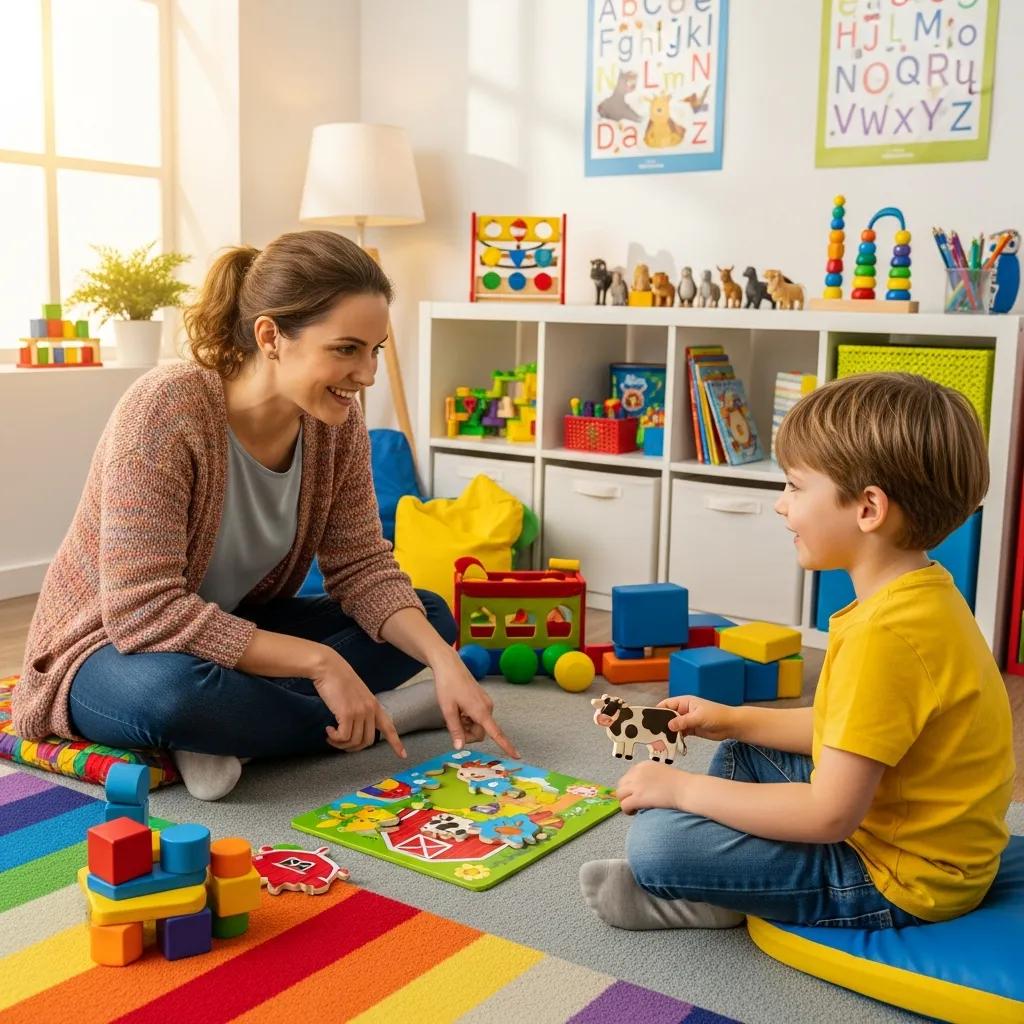
Early intervention therapy offers numerous benefits that can significantly impact a child’s development. These benefits include improved communication skills, enhanced social interactions, better emotional regulation, and improved motor and sensory processing skills. By addressing developmental challenges early, children can develop the skills necessary to thrive in various environments.
How Does Early Intervention Improve Communication and Speech Skills?
Early intervention plays a critical role in improving communication and speech skills. Techniques used in speech therapy, such as play-based learning and interactive activities, help children develop their language abilities. Studies indicate that children who receive speech therapy at an early age show significant improvements in their ability to express themselves and understand language, leading to better social interactions and academic success.
In What Ways Does Therapy Enhance Motor Skills and Sensory Processing?
Therapy enhances motor skills and sensory processing through targeted activities that promote physical development. Occupational therapy, for example, focuses on improving both fine and gross motor skills and sensory integration through play and structured tasks. Research suggests that children who engage in these therapeutic activities demonstrate improved coordination and sensory processing, which are essential for daily living and academic performance.
How Does Speech Therapy Benefit Toddlers with Developmental Delays?
Speech therapy is particularly beneficial for toddlers experiencing developmental delays. It provides tailored strategies to help them overcome communication barriers and develop essential language skills. Early intervention in speech therapy can lead to significant improvements in a child’s ability to communicate effectively with peers and caregivers.
What Are Common Signs of Speech Delay in Young Children?
Identifying speech delays early is crucial for effective intervention. Common signs include:
- Limited vocabulary for their age
- Difficulty forming sentences
- Trouble following simple instructions
Recognising these signs allows parents to seek timely support, ensuring that their child receives the necessary therapy to enhance their communication skills.
Which Speech Therapy Techniques Support Language Development?
- Modeling: Demonstrating correct speech patterns for children to imitate.
- Interactive Play: Engaging children in play that encourages verbal expression.
- Storytelling: Using stories to enhance vocabulary and comprehension skills.
These techniques are designed to create a supportive environment that fosters language growth and communication.
What Are the Benefits of Occupational Therapy for Children’s Daily Living Skills?
Occupational therapy provides significant benefits for children’s daily living skills, helping them become more independent and confident in their abilities. By focusing on practical skills, occupational therapists equip children with the tools they need to navigate everyday tasks successfully.
How Does Occupational Therapy Support Fine and Gross Motor Development?
Occupational therapy supports fine and gross motor development through various activities tailored to a child’s needs. For example, therapists may use games that involve cutting, drawing, or throwing to enhance coordination and strength. These activities not only improve motor skills but also boost a child’s confidence in their physical abilities.
What Sensory Processing Strategies Are Used in Occupational Therapy?
Occupational therapists employ several sensory processing strategies to help children manage sensory input effectively. Techniques may include:
- Sensory Integration Activities: Engaging children in activities that stimulate their senses, such as swinging or playing with textured materials.
- Calming Techniques: Teaching children methods to self-soothe when overwhelmed by sensory stimuli.
These strategies are essential for helping children navigate their environments comfortably and confidently.
How Does Child Psychology and Counselling Support Emotional and Behavioural Development?
Child psychology and counseling play a vital role in supporting emotional and behavioral development. These services help children understand and manage their feelings, leading to healthier relationships and improved social skills.
What Are the Benefits of Early Psychological Intervention for Young Children?
Early psychological intervention offers numerous benefits, including:
- Emotional Regulation: Helping children learn to manage their emotions effectively.
- Behavioral Management: Teaching strategies to cope with challenging behaviors.
- Social Skills Development: Enhancing children’s ability to interact positively with peers.
These benefits contribute to a child’s overall well-being and success in various settings.
How Can Therapy Help Manage Challenging Behaviours and Build Social Skills?
Therapy can effectively manage challenging behaviors by providing children with coping strategies and social skills training. Techniques such as role-playing and social stories help children understand appropriate behaviors and responses in different situations. This approach fosters better interactions with peers and adults, promoting positive social development.
How Can Families Navigate NDIS Funding for Early Childhood Therapy Services?
Navigating NDIS funding can be complex for families seeking early childhood therapy services. Understanding the eligibility criteria and application process is essential for accessing the support needed for their children.
Despite the benefits, the implementation of the NDIS has presented various challenges for service providers in effectively supporting children and their families.
NDIS Implementation Challenges in Australian Early Childhood Intervention
Participating service providers reported several challenges in their quest to effectively support children and their families. It is concluded that for the NDIS to fulfil its promise and potential
The changing narrative of early childhood intervention in Australia: Service providers’ perspectives on the implementation of the National Disability Insurance Scheme, S Gavidia-Payne, 2024
Who Is Eligible for NDIS Early Intervention Funding?
Eligibility for NDIS early intervention funding typically includes children under the age of seven who have a diagnosed developmental delay or disability, or are assessed as likely to have a permanent and significant disability. Families must provide evidence of the child’s needs and how early intervention will benefit their development. This funding can significantly alleviate the financial burden of therapy services.
How Does Ascend Youth Support Families Through the NDIS Application Process?
Ascend Youth offers valuable support to families navigating the NDIS application process. They provide guidance on completing necessary paperwork and understanding eligibility requirements. Additionally, Ascend Youth’s team can assist families in identifying suitable therapy services that align with their child’s needs, ensuring they receive the best possible support.
Different early childhood therapy services provide unique benefits that can significantly impact a child’s development. Understanding these services and how to access them is crucial for parents and caregivers looking to support their children’s growth effectively.
Therapy Type | Key Focus | Benefits |
Speech Therapy | Communication skills | Improved language development, better social interactions |
Occupational Therapy | Daily living skills | Enhanced independence, improved motor skills and sensory processing |
Child Psychology | Emotional and behavioral support | Better emotional regulation, improved social skills |
This table highlights the distinct focus and benefits of various early childhood therapy services, emphasising the importance of tailored interventions for children’s development.
Early childhood therapy services are essential for supporting children’s growth and development. By understanding the types of therapies available and their benefits, families can make informed decisions about the best interventions for their children. With the right support, children can overcome challenges and thrive in their early years.