What Is Early Childhood Skill Assessment?
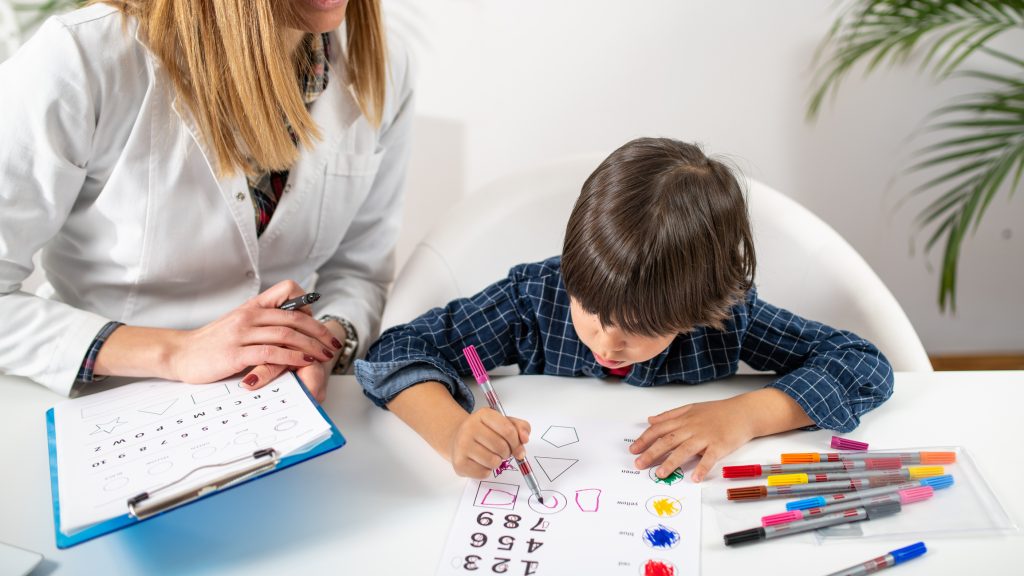
Early childhood skill assessment is a systematic process of observing, recording, and analysing the developmental progress of young children. These assessments focus on several areas, including cognitive, emotional, social, and physical development. By taking a structured approach, educators and parents can gain valuable insights into a child’s growth across different domains. Early childhood assessments are not meant to label or limit a child, but rather to provide a snapshot of where they are in their developmental journey. The information gathered can be used to tailor educational experiences and interventions that support and challenge each child appropriately.
Why Are Early Assessments Important?
Early assessments help identify children who may need additional support or intervention. By understanding where a child stands in terms of development, parents and educators can tailor learning experiences to meet individual needs. This proactive approach ensures every child has the best start possible. Moreover, early identification of developmental delays can lead to timely interventions that significantly improve outcomes. Children who receive the right support early on are more likely to catch up with their peers, leading to better academic performance and social skills. Additionally, these assessments empower parents with the knowledge to advocate for their child’s needs within the educational system.
What Are the Key Areas of Early Childhood Development?
There are several key areas that early childhood assessments typically cover. Understanding these can help you recognise what to look for in your child’s development. Each area is interconnected, contributing to the overall growth and maturation of the child. When assessing these areas, it’s important to remember that children develop at their own pace, and variances in skill acquisition are normal. By focusing on these key areas, parents and educators can ensure a well-rounded approach to supporting a child’s development.
How Do Cognitive Skills Develop?
This involves how children think, explore, and figure things out. It includes problem-solving, memory, and the ability to understand and process information. Activities like puzzles and memory games can help enhance cognitive skills. Cognitive development is crucial as it underpins a child’s ability to learn and interact with the world. Encouraging curiosity and exploration through play and experimentation can greatly benefit cognitive growth. Providing a stimulating environment with diverse learning materials can further support this development. Regularly engaging your child in activities that challenge their thinking can help build a strong foundation for future learning.
What About Social and Emotional Development?
These skills relate to how children understand themselves and relate to others. They include skills like sharing, expressing emotions appropriately, and developing empathy. Encouraging cooperative play and discussing feelings are ways to foster social and emotional growth. Developing strong social and emotional skills is vital for a child’s well-being and success in group settings such as school. Parents can model appropriate emotional responses and create opportunities for children to practice these skills in a safe environment. Social interactions with peers and adults play a critical role in shaping a child’s emotional intelligence, impacting their ability to form healthy relationships throughout life.
How Important Is Physical Development?
This area includes both fine motor skills, like holding a pencil, and gross motor skills, such as running or jumping. Providing opportunities for active play and activities that involve hand-eye coordination can support physical development. Physical development is essential for children to gain independence and confidence in their abilities. Fine motor skills are crucial for tasks like writing and self-care, while gross motor skills are important for physical activities and coordination. Encouraging regular physical activity through play, sports, or dance can help children develop these skills while promoting overall health. Parents can support this development by providing age-appropriate toys and engaging in active play with their children.
How Do Language and Communication Skills Grow?
This covers the ability to understand and use language. Reading to your child, engaging in conversations, and playing word games are effective methods for developing these skills. Language and communication are fundamental to a child’s ability to express themselves and interact with others. Early exposure to rich language experiences can enhance vocabulary and comprehension skills. Encouraging your child to ask questions and express their thoughts helps build their confidence in using language. Parents can foster language development by creating a language-rich environment, where reading and storytelling are part of daily routines.
What Role Do Parents Play in Assessments?
Parents are crucial in the early assessment process. You know your child best and can provide insights that formal assessments might miss. Being actively involved in your child’s development enables you to recognise subtle changes and respond to their needs effectively. Parents’ observations, combined with formal assessments, create a comprehensive picture of a child’s abilities and challenges. This collaboration is key to ensuring that children receive the support and resources they need to thrive.
Why Is Regular Observation Important?
Regular observation is key. Take note of how your child interacts with their environment, peers, and adults. Keep a journal to track milestones and any concerns you may have. Observing your child in various settings provides valuable information about their strengths and areas for growth. Pay attention to how they solve problems, interact socially, and express emotions. This information can guide you in selecting appropriate activities and interventions that align with their interests and needs. Documenting observations can also help you communicate effectively with educators and professionals involved in your child’s development.
How Can Parents Work With Educators?
Maintain an open line of communication with your child’s educators. They can provide professional insight into your child’s development and offer suggestions for at-home activities that support growth. Regular meetings and updates ensure that you and the educators are on the same page regarding your child’s progress. Sharing your observations and concerns with teachers can lead to a more tailored approach to your child’s education. Collaborative efforts between parents and educators create a supportive network that enhances a child’s learning experiences and outcomes.
What If Parents Need Extra Support?
If you have concerns, don’t hesitate to seek further evaluation or support. Early intervention can make a significant difference in a child’s development. Advocacy involves being informed about your child’s rights and the resources available to support their needs. Understanding the assessment process and being proactive in seeking help can lead to better outcomes for your child. Don’t be afraid to ask questions or request additional evaluations if you feel they are necessary. Your involvement and persistence can ensure that your child receives the best possible support and opportunities for growth.
What Is Early Intervention?
Early intervention refers to the services and supports that are available to young children with developmental delays. These services can include speech therapy, occupational therapy, and special education programs. Early intervention aims to address developmental concerns as soon as they are identified, reducing the impact of delays on a child’s overall development. The sooner a child receives the appropriate support, the better their chances of reaching their full potential. Understanding the options available and how to access them is crucial for parents seeking to support their child’s development.
How Can Parents Access Support?
- Consult with Your Pediatrician: Your child’s doctor can provide a referral for further assessment if needed. Pediatricians can also guide you on the developmental milestones to watch for and the services available in your area.
- Contact Local Early Intervention Programs: Many communities offer programs designed to support young children and their families. These programs can provide tailored support and resources based on your child’s specific needs.
- Seek Evaluations from Specialists: Sometimes, a specialist’s assessment can provide more detailed insight into your child’s needs. Specialists such as speech therapists, occupational therapists, or child psychologists can offer targeted interventions that address specific developmental areas.
What Role Do Teachers Play in Skill Assessment?
Teachers play a significant role in assessing and supporting child development. Understanding the requirements and best practices for skill assessment can enhance their ability to aid in child development. Teachers are often the first to notice changes in a child’s behavior or skills, making their observations invaluable. By utilising effective assessment methods, teachers can identify areas where a child may need additional support and collaborate with parents to create individualised learning plans. Ongoing professional development ensures that teachers remain informed about the latest assessment tools and techniques.
What Assessment Tools Do Teachers Use?
Early childhood teachers are often required to use specific assessment tools and methods to evaluate children’s development. These assessments help in creating effective learning plans tailored to each child’s needs. Teachers must be trained in administering these tools to ensure accuracy and reliability. Regular assessments help track a child’s progress over time, allowing for adjustments to teaching strategies and interventions. By adhering to established guidelines and using validated tools, teachers can provide meaningful insights into a child’s development and learning needs.
What Are Best Practices for Teachers?
- Use Developmentally Appropriate Tools: Ensure the assessment tools are suitable for the child’s age and developmental level. This ensures that the results accurately reflect the child’s abilities and challenges.
- Engage Children in Play-Based Assessment: Observations made during play can provide valuable insights into a child’s development. Play-based assessments are non-intrusive and can reveal information about a child’s social, cognitive, and emotional skills.
- Collaborate with Families: Involving parents in the assessment process can provide a more comprehensive view of a child’s abilities and needs. Open communication with families ensures that assessments are aligned with the child’s experiences outside the classroom.
How Do Early Assessment Programs Work?
An early assessment program is a structured approach that schools and educational institutions use to monitor and support child development. Implementing such a program involves several steps:
- Set Clear Objectives: Define what the program aims to achieve and the key areas it will cover. Clear objectives guide the program’s development and ensure it addresses the specific needs of the children it serves.
- Select Appropriate Tools: Choose assessment tools that are reliable, valid, and suitable for the age group. The right tools provide accurate data that can inform decision-making and intervention strategies.
- Train Educators: Ensure that all staff involved are trained in administering assessments and interpreting results. Proper training ensures consistency and reliability in the assessment process.
- Involve Families: Encourage family participation to gain a holistic view of each child’s development. Families can provide context and additional insights that enhance the assessment process.
- Review and Adapt: Regularly review the program’s effectiveness and make adjustments as needed to meet the evolving needs of children. Continuous evaluation and adaptation ensure the program remains responsive and effective.
Final Thoughts: Why Does Early Childhood Assessment Matter?
Early childhood skill assessment is a vital component of child development, providing essential insights that can guide both parents and educators in supporting each child’s unique needs. By understanding the process and actively participating, parents can ensure their children have the foundation they need to succeed. Remember, early intervention and consistent support can make all the difference in your child’s developmental journey. The collaborative efforts of parents, educators, and specialists create a nurturing environment that fosters growth and learning. By following this practical guide, you can confidently navigate the early childhood skill assessment process and advocate for your child’s best interests. With the right tools and resources, every child has the opportunity to reach their full potential.
For more information, please visit our website Ascend Youth.